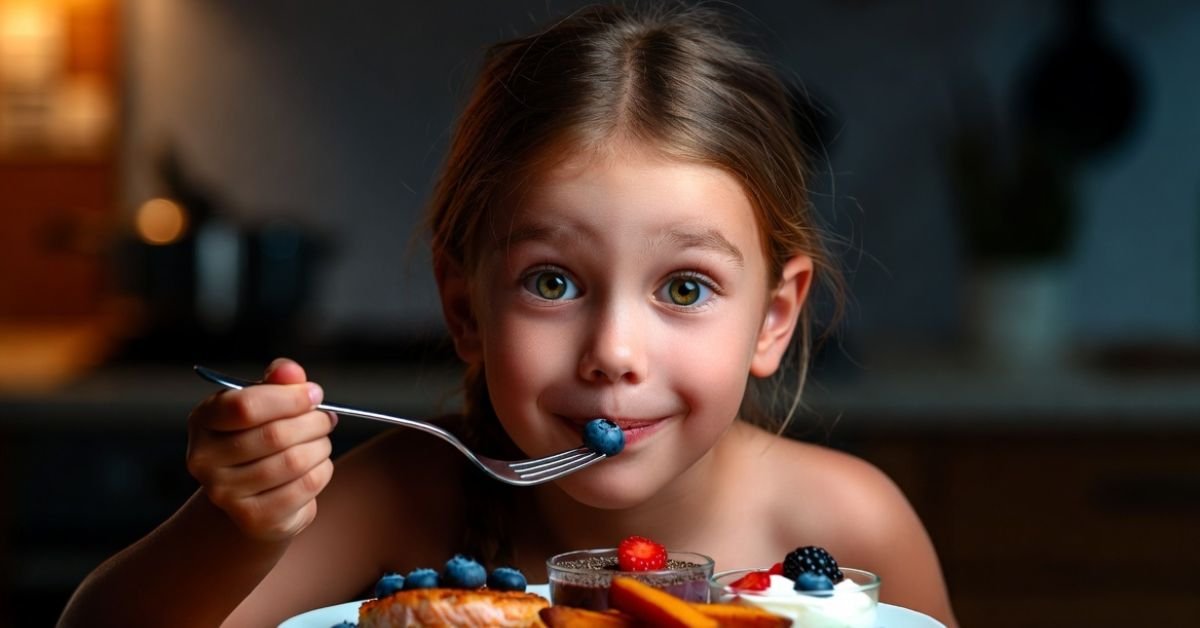

Table Of Contents
My daughter once cried because a single grape touched her chicken nugget.
She is seven, and her opinions on food could rival those of a Michelin-starred critic.
So when her pediatrician gently suggested adding more nutrient-dense foods to her plate, I laughed out loud right there in the exam room.
However, I am also the kind of parent who does not quit easily.
Over six weeks this past spring, I ran a real, no-filter test right in my own kitchen.
Five foods that keep popping up as “kid superfoods” in expert advice.
One very opinionated child.
No staged photos, no Pinterest-perfect meals, no pretending it was easy.
Here is exactly what happened.
Why I Even Bothered With This Test
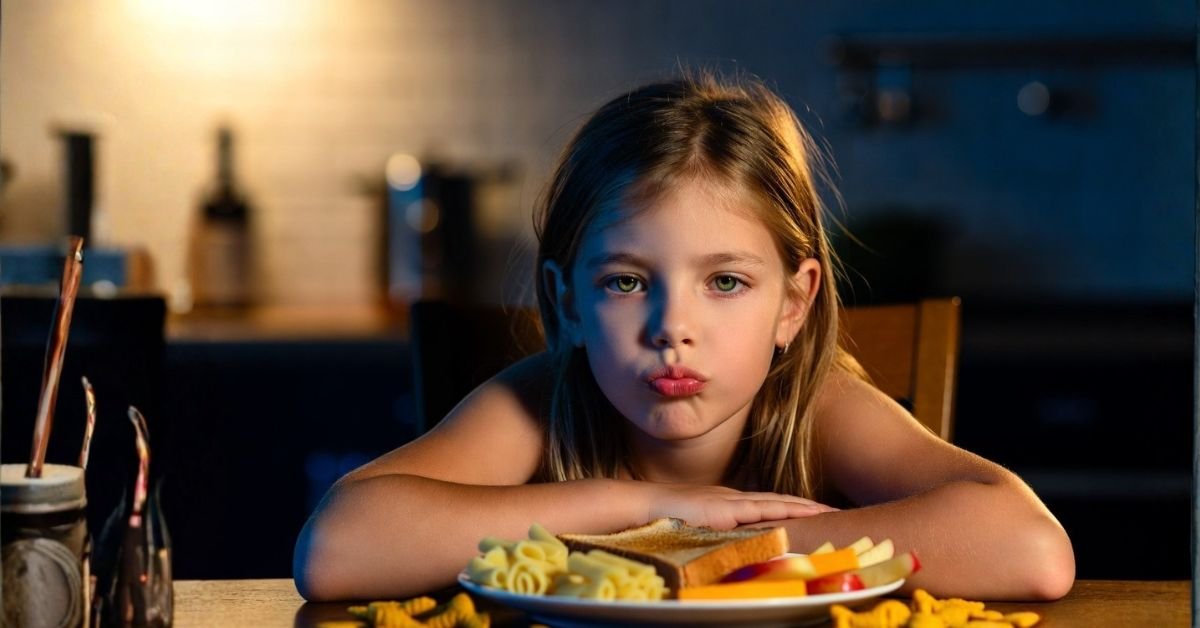
My daughter basically rotates through the same six safe foods: plain pasta, buttered toast, apple slices, cheese sticks, chicken nuggets, and Goldfish crackers.
Her doctor was not panicked, but she did point out that kids her age need steady iron, omega-3s, calcium, fiber, and antioxidants to support growing brains, strong bones, steady energy, and solid immunity.
I looked into the American Academy of Pediatrics’ guidance.
The big takeaway?
There is no single magic food.
Just smart choices that pack extra nutrition, and the real trick is serving them in ways a picky eater will actually accept without turning dinner into a battlefield.
So I picked five superfoods that kept showing up in pediatric nutrition lists and gave each one a fair, repeated shot.
Superfood One: Wild Blueberries
I started easily.
Wild blueberries are smaller and tart, and they have nearly twice as many antioxidants as regular ones, making them great for brain health and immunity.
First try: a small bowl of thawed berries at breakfast.
She poked one, called it “weird,” and pushed it away.
Second try: straight from the freezer on a warm afternoon.
Total game-changer.
She nicknamed them “blueberry candy” and ate the whole handful.
After that, I stirred them into oatmeal (they melt into a fun purple swirl she loves), pancake batter, and plain yogurt.
Six weeks later, wild blueberries live permanently in our freezer.
Quick Kitchen Wins: Frozen in smoothies, mixed into overnight oats, or just as a cold snack.
Superfood Two: Salmon
This one terrified me.
My daughter has loudly declared that she would rather starve than eat fish.
First attempt: baked fillet with butter, lemon, and a touch of brown sugar.
She took one polite bite, made an Oscar-worthy disgusted face, and asked for cereal instead, hard pass.
Second attempt: I got clever.
I mashed cooked salmon with leftover mashed potatoes, one egg, and breadcrumbs, formed small patties, and pan-fried them golden and crispy.
Served with ketchup.
She ate two patties and asked for a third.
I almost cried happy tears.
This is a simple form of food chaining, taking a familiar texture (crispy patty) and pairing it with a new ingredient (salmon).
Texture and shape matter more than the ingredient itself.
Salmon fillet = disaster.
Crispy salmon patty with ketchup = now a requested meal.
I switched to canned wild salmon, too; it’s affordable, shelf-stable, and works perfectly in the patty recipe.
It is now a regular pantry hero in our house.
My go-to fix: Mix flaked salmon into mac and cheese or shape it into fun mini burgers.
Superfood Three: Sweet Potatoes
Sweet potatoes are loaded with beta-carotene (which converts to vitamin A), fiber, and vitamin C, perfect for immunity and digestion.
Plus, they are naturally sweet.
I tested three ways:
- Mashed with butter and cinnamon: polite shrug, a few bites.
- Thin-cut baked fries roasted hot until crispy: inhaled in minutes. She begged for them again.
- Sweet potato pancakes: one look at the orange color and she refused.
Crispy edges win every time.
We now batch-roast fries on Sundays and reheat them all week.
What stuck: Oven or air-fryer fries with a sprinkle of cinnamon sugar, or hidden in muffins.
Superfood Four: Greek Yogurt
Greek yogurt packs roughly double the protein of regular yogurt, plus calcium and probiotics for strong bones and a happy gut.
Huge win for a kid who will not drink milk.
The secret? Give her control.
I set up a “yogurt bar” with plain full-fat Greek yogurt, honey, frozen wild blueberries, granola, and banana slices.
She builds it herself every Saturday morning.
It turned into a fun ritual.
She feels in charge, and I get to watch her eat real protein and probiotics without any fuss.
I also started swapping it for sour cream in tacos and veggie dips, but she has not noticed once.
Easy Wins For Any Family: Create a simple topping station or blend into fruit smoothies.
Superfood Five: Chia Seeds
My wild-card experiment was my biggest initial flop.
Chia seeds are tiny powerhouses of fiber, plant-based omega-3s, and calcium, but they look strange to a seven-year-old.
I made proper chia pudding overnight.
She took one look and called it “frog eggs.” Zero bites.
So I pivoted.
If she would not eat them, I would make them invisible.
I started sprinkling just a teaspoon of dry chia into smoothies, pancake batter, and weekend muffins.
She never spotted it.
Stealth mode delivered the nutrition without the visual drama.
Simple Swap: Stir into oatmeal, yogurt, or baked goods where they disappear completely.
How The Five Superfoods Compare
| Superfood | Key Nutrients | My Kid’s Verdict | What Actually Worked |
|---|---|---|---|
| Wild Blueberries | Antioxidants & vitamin C | Loved them | Frozen snack or mixed into oats/yogurt |
| Salmon | Omega-3s & protein | Two tries to win | Crispy patties with ketchup |
| Sweet Potatoes | Beta carotene, fiber & vitamin C | Mixed | Thin crispy baked fries |
| Greek Yogurt | Protein, calcium & probiotics | Loved it | Build-your-own yogurt bar |
| Chia Seeds | Fiber, omega-3s & calcium | Refused when visible | Hidden in smoothies & muffins |
What I Actually Learned About Picky Eating
Format beats flavor every time.
Same salmon, different shape and crunch = completely different reaction.
I stopped saying the word “healthy” because it instantly raised her guard.
Instead, I talked about color, crunch, or sweetness: “crispy orange fries” or “sweet purple berries.”
Sounds silly, but it worked.
Repeated calm exposure is everything.
Research shows kids often need 10–15 tries before accepting a new food.
The first “no” is just the opening act, not the finale.
Small portions next to safe favorites, zero pressure, and modeling good eating myself made the biggest difference.
Trivia
Food preferences kids form before age seven tend to shape what they eat as adults. That fact felt like pressure at first, but it is actually freeing. Every small win matters, and we have years to keep gently trying.
Tips That Made A Real Difference For Us
- Let your child help in the kitchen, even tiny jobs like rinsing berries or stirring batter, and kids who cook are far more likely to taste what they made.
- Stop commenting on what they eat or do not eat, and the quieter I got, the more curious she became.
- Family meals where parents happily eat the same foods (without directing comments at the child) spark natural interest.
- Keep portions tiny and expectations realistic, and progress is slower than social media makes it look, and that is perfectly okay.
Six weeks later, my picky eater is still picky.
However, her plate looks noticeably different, and that feels like a genuine victory.
Three of these superfoods are now in regular rotation; one needs creativity, and one works best when hidden.
I am totally at peace with that mix.
If you are in the trenches with a picky eater, I hope this honest story helps you feel less alone.
A single new bite really is a win worth celebrating.
A mom on the THOUSIF Inc. – WORLDWIDE team
About Author