
Table Of Contents
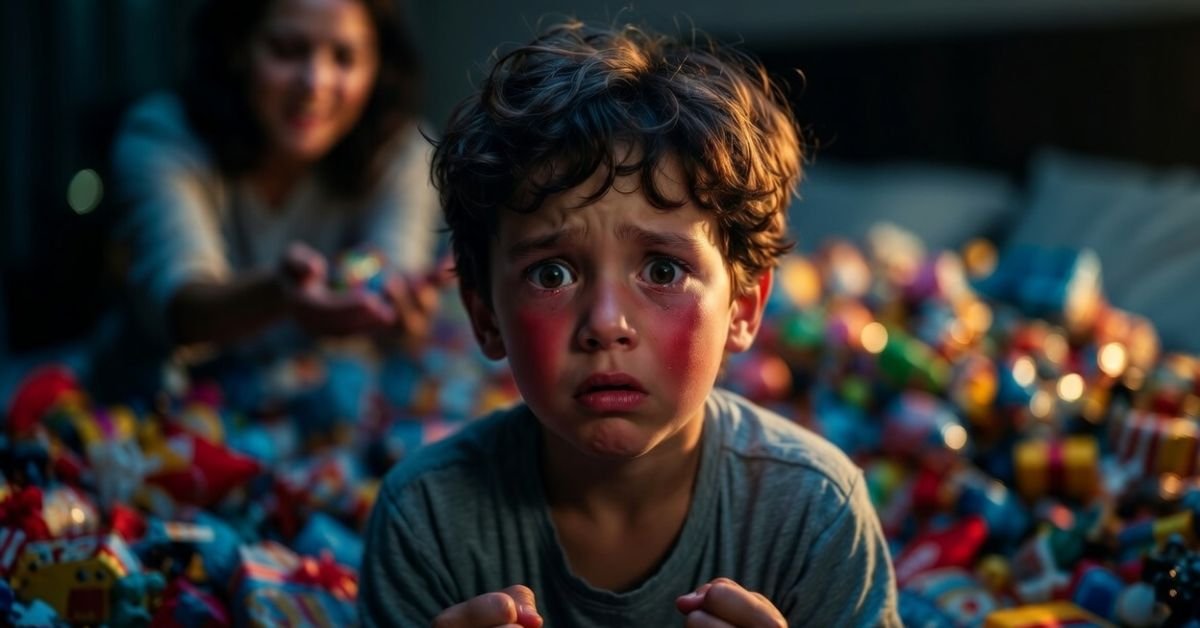
As parents, we have all seen it, our little ones having an oversized fit because they cannot explain how they feel.
It is sad and tiring, but it does not have to be like that.
Kids, just like adults, have strong feelings and need ways to show when they are upset or annoyed.
The trick is teaching them easy tools to talk about those feelings without big outbursts.
In this post, we will share simple ways to help kids tell you when they are unhappy in a good way, using everyday tips that can really help at home.
Think about a time when your child calmly says what is wrong instead of throwing toys or running off.
It is possible, and it starts by understanding why kids have trouble.
Young kids often lack the words to express their feelings, which can leave them feeling overwhelmed and prone to acting out.
However, with some help, you can give them the skills to handle these times better.
We will talk about how to teach them an easy way to say they are unhappy and what to do if it is still hard for them.
Teaching Kids To Share Their Upset Feelings
One of the best ways to help kids express their feelings is by giving them a simple plan to sort out their emotions.
This changes unclear upset into clear talking, which means fewer fits over time.
The plan is easy and works well for kids in early school in many cases. It goes like this:
- I feel ____ (name the feeling, like angry, sad, or annoyed).
- When ____ (tell what happened that causes the feeling).
- Because ____ (explain why it makes them feel that way).
- I would like ____ (say what could change to make it better).
For example, a child might say: “I feel angry when you give my toy to someone else because it is my favourite toy. I would like you to stop giving my toys to other kids.”
This is not just for one time; it is something to practice whenever your child seems upset.
By nicely reminding them to use this plan, you are helping them build a habit for better talking about their feelings and less acting out. Over time, they will learn it and use it on their own.
To make it even easier, consider creating a picture reminder.
You could create a simple poster with the plan on it and hang it in your child’s room or play area.
That way, it is always there to see when feelings get strong. Kids like pictures, and having them nearby can help them stop and think before they react.
The great thing about this way is how simple it is.
It shows their feelings are okay while helping them find a fix.
As a parent, showing this in your own talks is key; use it when you speak to show how it works.
When kids see you handle being annoyed this way, they will copy you.
Helping Kids Who Struggle To Share Upset Or Annoyed Feelings
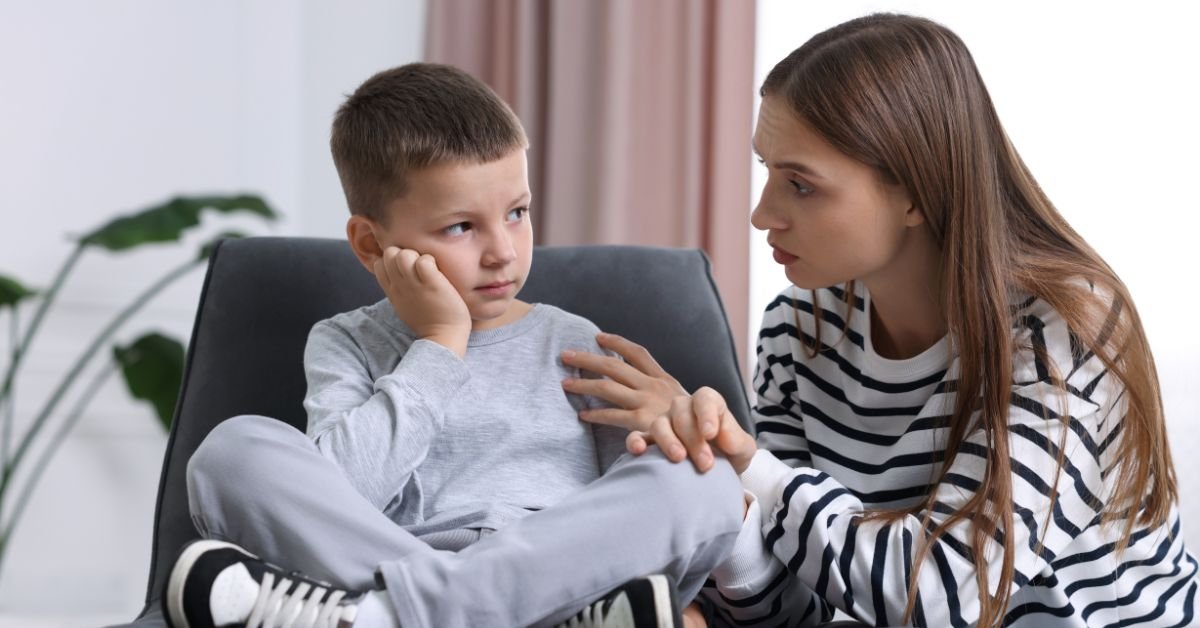
Even with good tools, some kids might still find it hard to say their feelings, especially if they are very young or have big emotions.
The goal is to stay calm and keep doing the same as a parent, which helps them learn to manage their own reactions.
Acting out often comes from not being able to talk, so fixing that can stop future problems.
For the tiniest kids who cannot yet say complete sentences, focus on basic rules.
Instead of just saying “no” when they hit because they are annoyed, try a kind phrase like “People are for hugging, not hitting.”
This teaches caring softly.
At this age, do not expect them to get it right away; they are still learning.
The important part is watching them closely and repeating the message nicely until it sticks.
Once kids start understanding words more, teach them that feelings are not the same as actions.
It is okay to feel angry or unhappy, but how we show it matters.
A shorter version of the earlier plan can help: “I am angry because… and I wish…”
This keeps it short while helping them think about what they want.
Sometimes, the best first step is teaching kids to take a break when things feel too much.
Tell them to step away, calm down, and come back when they feel better. To help with this, make “happy spots” at home, cosy corners with pillows, books, or toys where they can go for a “good break.”
This is not punishment; it is a safe place to relax and think about feelings.
As parents, it is wise to examine our own actions.
Have we been mean without knowing, like saying harsh words too often or pointing out their mistakes when they are upset? Kids watch what we do, so showing patience and kindness goes a long way.
If we have messed up, saying so teaches that everyone can improve.
Remember, kids rarely act out to make life hard for us.
Most of the time, it is because they feel overwhelmed and cannot put it into words.
By making these feelings normal, telling them it is fine to feel angry, sad, unhappy, or annoyed, and showing good ways to deal with them, you are giving them life skills.
Why This Helps For Feelings In The Long Run
Building on these tips, let us think about the bigger picture.
When kids learn to share upset feelings early, they are less likely to hold them in, which can lead to bigger issues later, like worry or trouble with friends.
Studies show that understanding feelings starts young, and simple tools like these plans can make a big difference.
In daily life, sticking to it is your best friend.
Start small: Pick one or two tips to try this week, like using the “I feel” plan during playtime or setting up that happy spot.
See how it goes, maybe note down what works and what to change.
In a month, you might have fewer fits and more open talks.
For families with more kids, this can improve things.
Siblings often annoy each other, but teaching them all the same way to talk about feelings brings peace.
Imagine dinner where everyone shares their day with “I feel… because…”, it turns possible fights into good times together.
Moreover, do not forget to care for yourself as a parent. Dealing with big emotions can tire you out, so take time for your own “good break.”
Whether it is a walk, a cup of tea, or chatting with a friend, getting your energy back helps you stay calm and ready.
Simple Tips To Start Today
To make this more useful, here are some everyday examples to try these ideas:
- Toy Sharing Issues: If your child gets upset about sharing, guide them with the plan: “I feel sad when my brother takes my truck because I was playing with it. I would like to take turns.”
- Mealtime Problems: For kids annoyed by food they do not like, try: “I am angry because I do not like broccoli, and I wish we could have carrots instead.” This starts a talk instead of a fight.
- Bedtime Troubles: When they are unhappy about sleep time, encourage: “I feel annoyed when it is bedtime because I am not tired. I would like a story to help me relax.”
These examples show how flexible this is.
Change it based on your child’s age and style; younger ones may need more help, while older ones can do it on their own.
If you want to track how it is going, use a simple family notebook.
Each night, write down one good way someone shared a feeling that day.
It builds good habits and gives something to cheer about together.
In the end, helping kids say when they are upset is not about stopping bad feelings; it is about using them well.
This builds toughness, caring for others, and stronger family connections.
As we wrap this up, keep in mind that parenting is a journey, not a quick fix.
These tips from THOUSIF Inc. – WORLDWIDE are here to make that journey smoother and more fun.
If you have tried something like this or have your own ideas, share them in the comments.
Moreover, why not check out our other posts on kids’ growth and family well-being? There is a lot more to help you every step.
Author