
Table Of Contents
At THOUSIF Inc. – WORLDWIDE, we know firsthand how rewarding and sometimes exhausting parenting can be.
One of the most common challenges we hear about from families is sibling rivalry.
While a little arguing between brothers and sisters is completely normal, when the bickering becomes constant and intense, it can drain the joy from your home and affect everyone’s well-being.
As the saying goes, “Siblings who say that they never fight are most definitely hiding something.”
We have talked before about ways to strengthen sibling bonds, but today we are diving deeper into the reality of rivalry, what it looks like when it goes too far, and, most importantly, how you can step in effectively.
In this guide, we will cover the key signs parents need to watch for and share five straightforward house rules that can dramatically reduce conflict when applied with love and consistency.
Recognizing When Sibling Rivalry Needs Your Intervention
Not every disagreement requires your attention.
However, there are clear moments when stepping in becomes essential to protect your children’s emotional health and your family’s harmony.
Here are the most important warning signs:
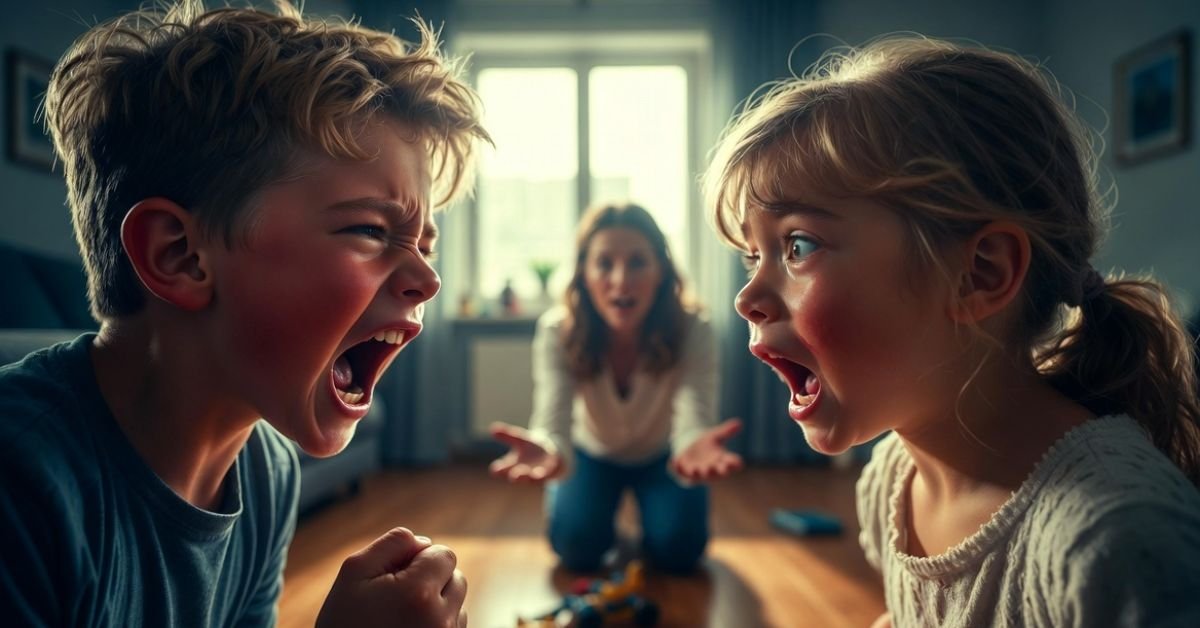
- Escalating arguments: If you cannot leave the kids alone together for even a short time without fearing yelling, name-calling, or heated fights, the situation has moved beyond normal sibling friction.
- Increased animosity: When siblings start destroying or damaging each other’s belongings, such as toys, books, clothes, or personal items, it is a strong signal of deeper resentment that needs to be addressed right away.
- Deteriorating emotional well-being: Pay close attention if one child begins to feel less loved or favoured. Signs of dropping self-esteem, withdrawal, or a weakened sense of belonging in the family are red flags that deserve your immediate care.
- Family disharmony: When the ongoing conflict strains relationships across the entire household and alters the overall mood at home, the rivalry affects more than just the siblings.
Spotting these signs early gives you the chance to guide your children back toward healthier interactions before the problems become harder to fix.
5 House Rules That Can Stop The Bickering
The most powerful tool parents have is clear, consistent boundaries.
These five simple house rules, when enforced consistently, create structure while teaching respect, communication, and problem-solving.
Here they are:
- No yelling: Everyone in the home speaks with an indoor-friendly voice. Introduce a gentle “time-out” signal (like a hand gesture) when things start heating up. This quick pause often stops trouble before it really begins.
- Ask first: Children must always get the owner’s permission before borrowing or using anything that belongs to a sibling. This one rule alone prevents so many unnecessary arguments over toys, gadgets, or personal items.
- No hurtful behaviour: Make it crystal clear that physical or emotional hurt will not be tolerated. Talk about the consequences ahead of time so kids know exactly what to expect, no surprises, just fairness.
- No tattling: Especially helpful for younger children, this rule helps reduce sibling resentment. A calm response like, “Unless someone is about to get hurt or is in real trouble, I would prefer you try to work it out together,” encourages independence.
- No involvement without evidence (for parents): Stay neutral unless you personally saw or heard what happened. In minor cases, encourage your kids to solve it themselves; something as simple as “rock, paper, scissors” works wonders. Only step in when physical safety is at risk. This keeps you from accidentally appearing to take sides.
Consistency is everything with these rules. When you apply them calmly and fairly, children learn that the boundaries are real and trustworthy.
Keeping Expectations Realistic
It is important to remember that your children are siblings; they will have disagreements and even big fights from time to time.
That is part of growing up together.
The goal is not perfect harmony every minute of the day.
Instead, focus on helping them find balance: learning to express feelings, resolve differences respectfully, and repair their relationship afterward.
With thoughtful guidance and these practical tools, you are not just quieting the noise at home; you are building the foundation for strong, lifelong sibling bonds that will support them for years to come.
We hope this guide gives you fresh confidence and practical ideas you can start using right away.
Have you dealt with sibling rivalry in your own family?
How did your parents handle it when you were growing up, or what strategies are working for you now?
We would genuinely love to hear your stories and tips in the comments below.
If you found this helpful, we invite you to explore more parenting articles and family resources on the THOUSIF Inc. – WORLDWIDE blog.
We are here to support parents everywhere as you build happier, stronger homes.
Thank you for reading.
Here is to more peaceful days and deeper family connections ahead!
Author