
Table Of Contents
The bond between Arabs and falcons stretches back thousands of years, making falconry one of the most cherished traditions in Arab culture.
These majestic hunting birds are not just symbols of prestige; they represent survival, nobility, and cultural identity across the Arabian Peninsula.
From Bedouin nomads to modern Gulf sheikhs, the falcon remains deeply woven into Arab heritage, commanding prices exceeding $300,000 and inspiring UNESCO-protected traditions.
Let us explore the fascinating history of Arab falconry, why these birds hold such profound cultural significance, and how this ancient practice thrives in today’s modern Gulf states.
The Ancient Origins Of Arab Falconry
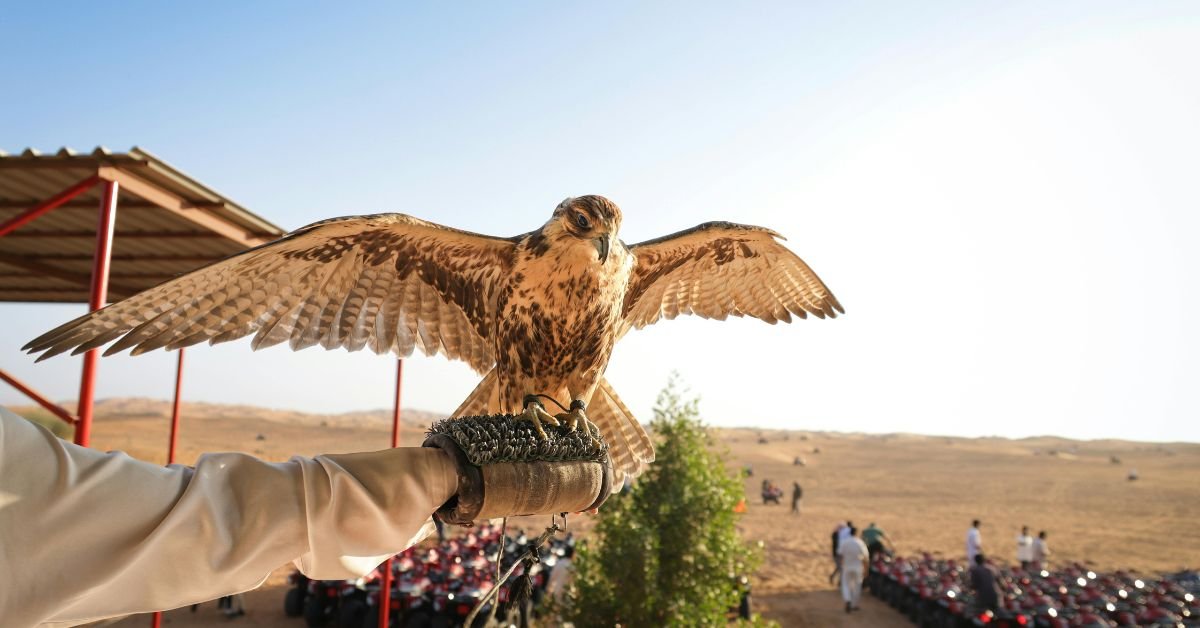
Life in the Arabian desert demanded ingenious survival strategies.
Bedouin nomads faced scorching temperatures, scarce water, and limited food sources across endless dunes.
While hunting was essential for survival, pursuing swift desert prey on foot proved nearly impossible.
Falcons transformed desert hunting.
These sharp-eyed predators, particularly peregrine falcons and saker falcons, could spot and capture houbara bustards, hares, and other game from remarkable distances.
A trained hunting falcon meant the difference between starvation and survival during long tribal migrations.
Bedouin falconers developed sophisticated training techniques passed down through generations.
This required patience, deep respect for the bird’s wild nature, and intimate knowledge of falcon behavior.
Archaeological evidence shows falconry flourishing in Mesopotamia by 3500 B.C., with the practice becoming central to Arabian culture long before Islam.
Why Falcons Became Symbols Of Arab Nobility
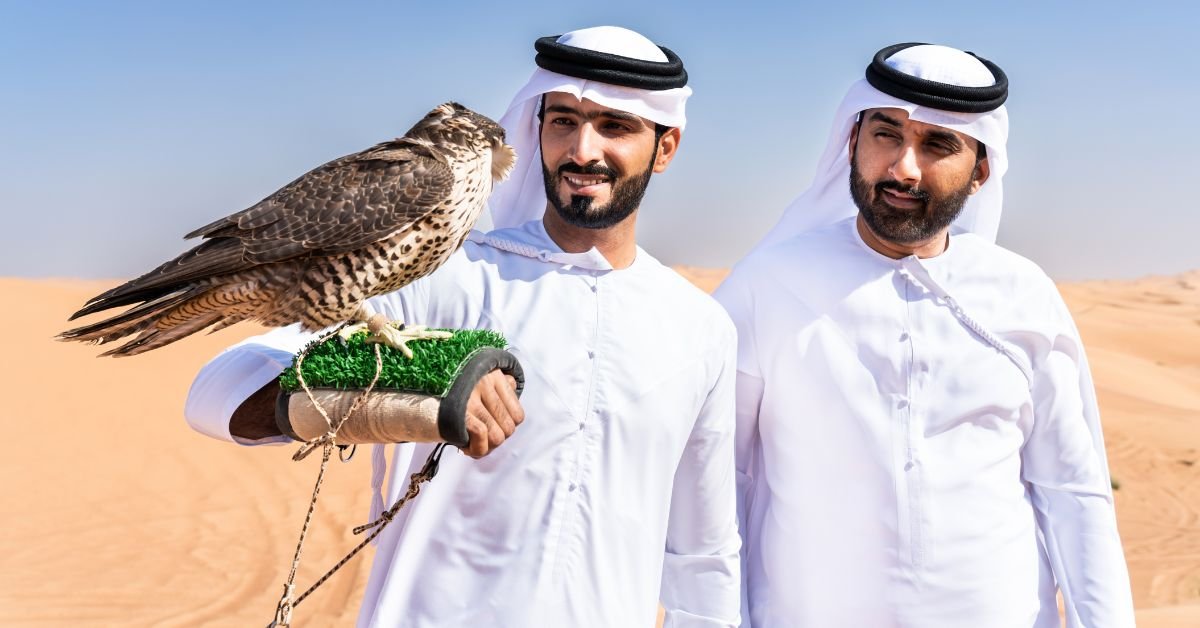
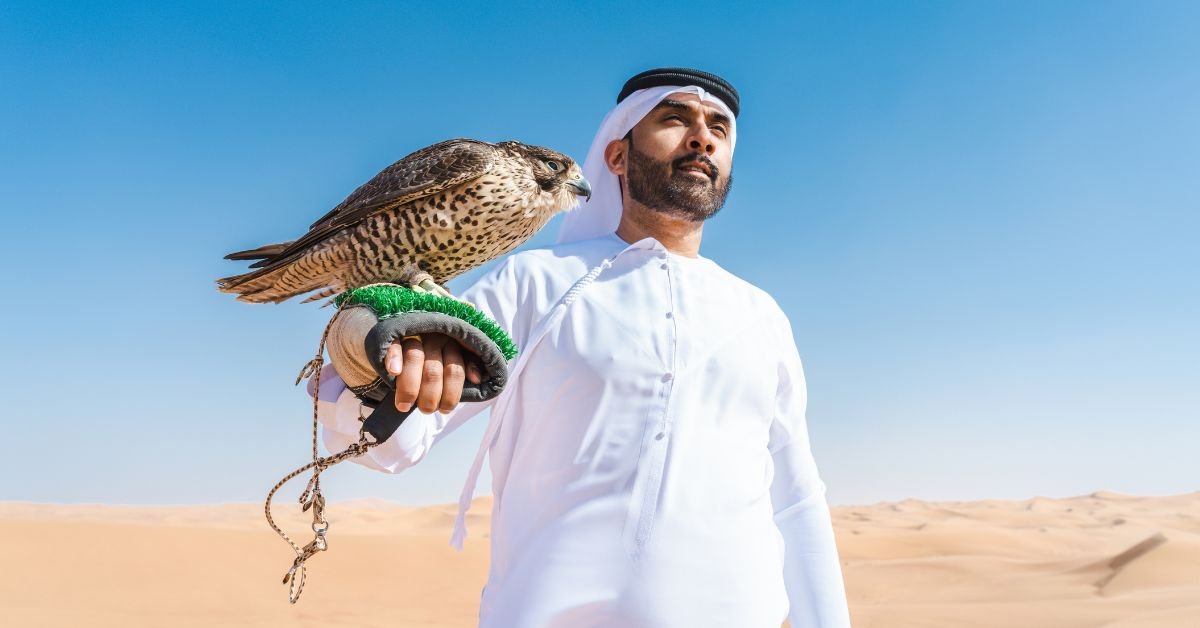
As Arab societies evolved beyond pure survival needs, falcon ownership became a powerful status symbol.
Only wealthy sheikhs and tribal leaders could afford the time, expertise, and resources required to trap, train, and maintain these prized birds.
This prestige has not diminished; it has intensified dramatically.
Modern falcon auctions in Saudi Arabia, UAE, and Qatar showcase eye-watering prices that reflect both the birds’ rarity and their cultural weight.
2025 Falcon Market Prices:
- Premium peregrine falcons: $20,000 – $200,000
- Saker falcons (desert hunting specialists): $50,000 – $500,000+
- Rare white gyrfalcons: $100,000 – $1,000,000+
- High-performance hybrids: $150,000 – $600,000
One exceptional white gyrfalcon sold for SR1.2 million ($320,000) in Saudi Arabia, while championship-winning birds command similar prices.
These astronomical values reflect bloodline purity, hunting prowess, speed, beauty, and proven competition records.
The Deep Emotional Bond Between Arabs And Falcons
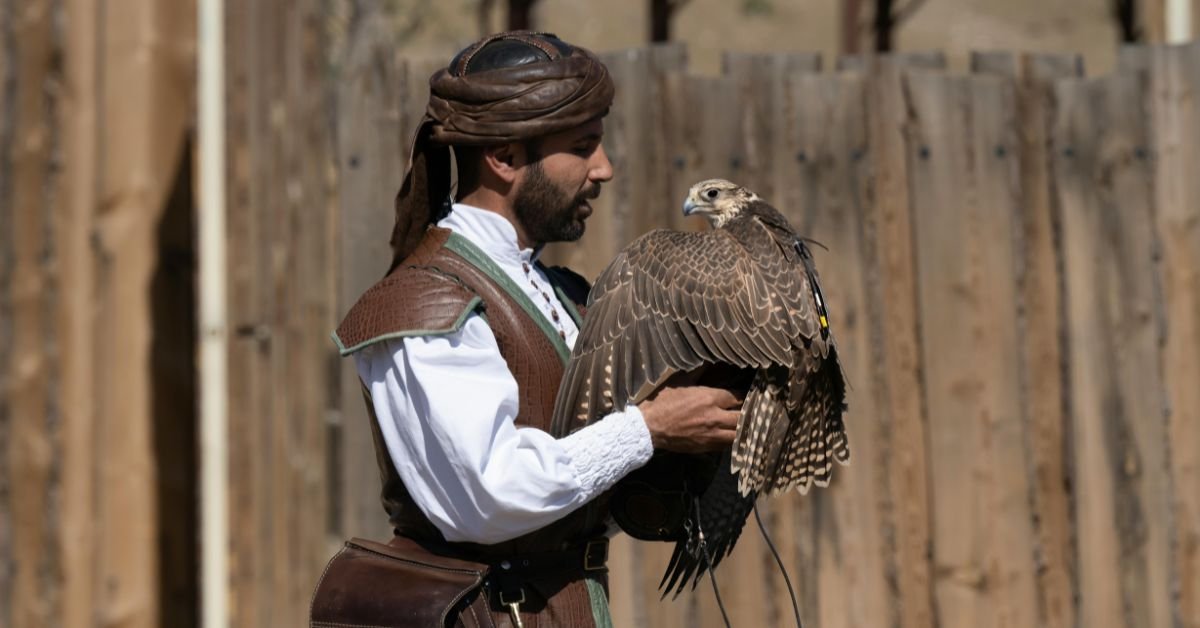
Arab falconry culture extends far beyond financial investment.
Falconers describe their birds as family members, using terms like “noble,” “brave,” and “loyal.”
This emotional connection manifests in extraordinary care practices throughout the Gulf region.
Luxury Falcon Care Includes:
- Climate-controlled housing with air conditioning
- Specialized diets of fresh quail and nutritional supplements
- Professional grooming for beak and talon maintenance
- Dedicated falcon hospitals with world-class veterinary care
- Personal passports for international travel
The phenomenon of falcons flying in airplane cabins, sometimes with purchased seats, has become iconic.
Viral photos show rows of hooded falcons seated beside their owners on commercial flights, a practice unique to Gulf carriers and perfectly legal under UAE and Saudi aviation regulations.
Classical Arabic poetry celebrates falcons extensively.
Poets like Al-Mutanabbi praised their grace, freedom, and strength in verses that continue to resonate across Arab literature today.
How Falconry Preserves Bedouin Heritage
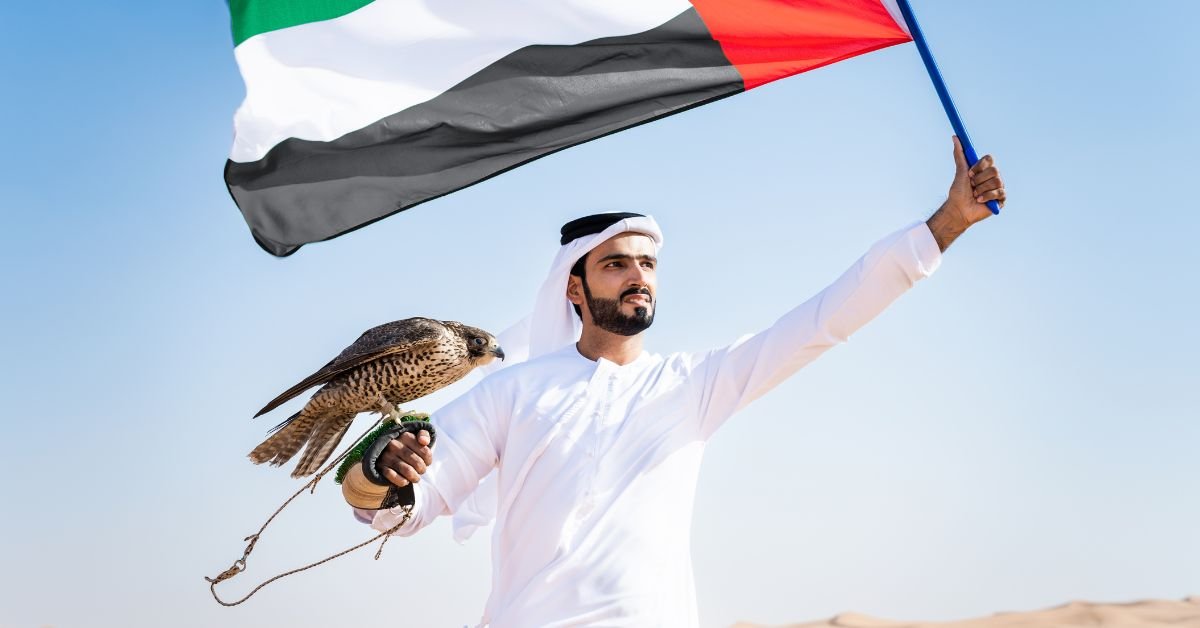
Gulf nations have experienced unprecedented modernization, with oil wealth transforming desert landscapes into gleaming metropolises.
However, falconry deliberately anchors modern Arabs to their Bedouin roots, embodying values of patience, discipline, skill, and environmental harmony.
UNESCO recognized this cultural importance in 2016 by inscribing Arab falconry on its Intangible Cultural Heritage list.
The UAE, Saudi Arabia, Qatar, and other nations championed this designation, viewing falconry as a living heritage promoting wildlife conservation and traditional knowledge transmission.
Modern conservation efforts demonstrate this commitment:
- Captive breeding programs reduce wild falcon capture
- Sustainable hunting regulations protect endangered houbara bustards
- Research initiatives study falcon migration and breeding patterns
- Educational programs teach young Arabs traditional falconry skills
Major Falconry Competitions And Festivals
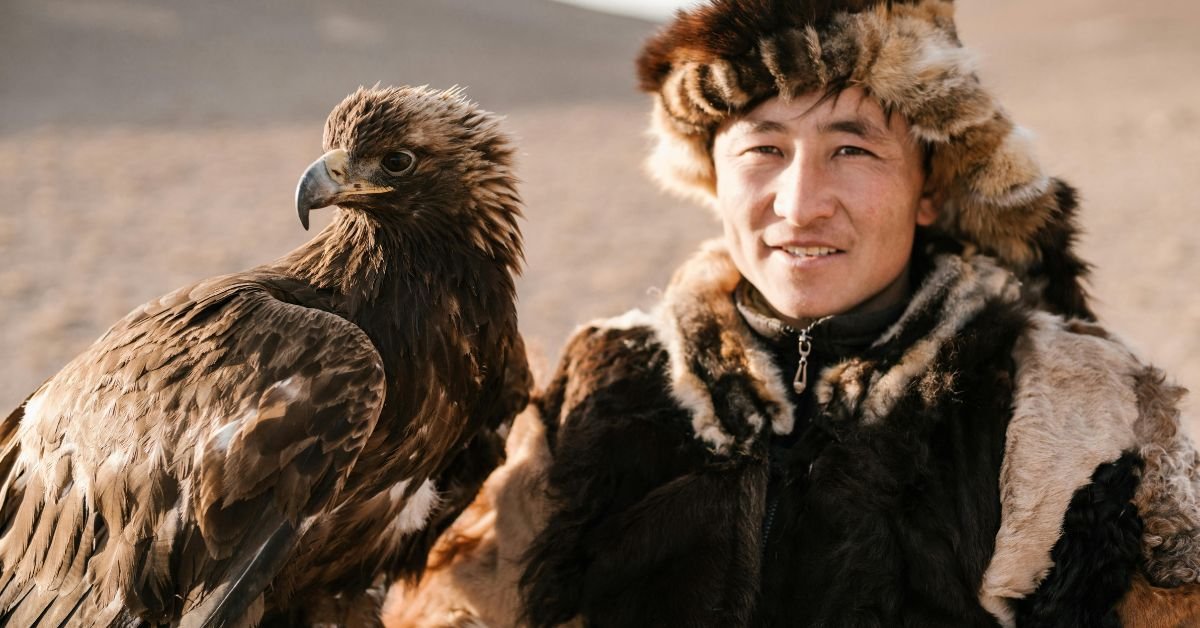
Contemporary Arab falconry thrives as both a cultural practice and a competitive sport.
Major festivals attract thousands of participants from across the Middle East, Asia, and Europe.
Premier Falconry Events
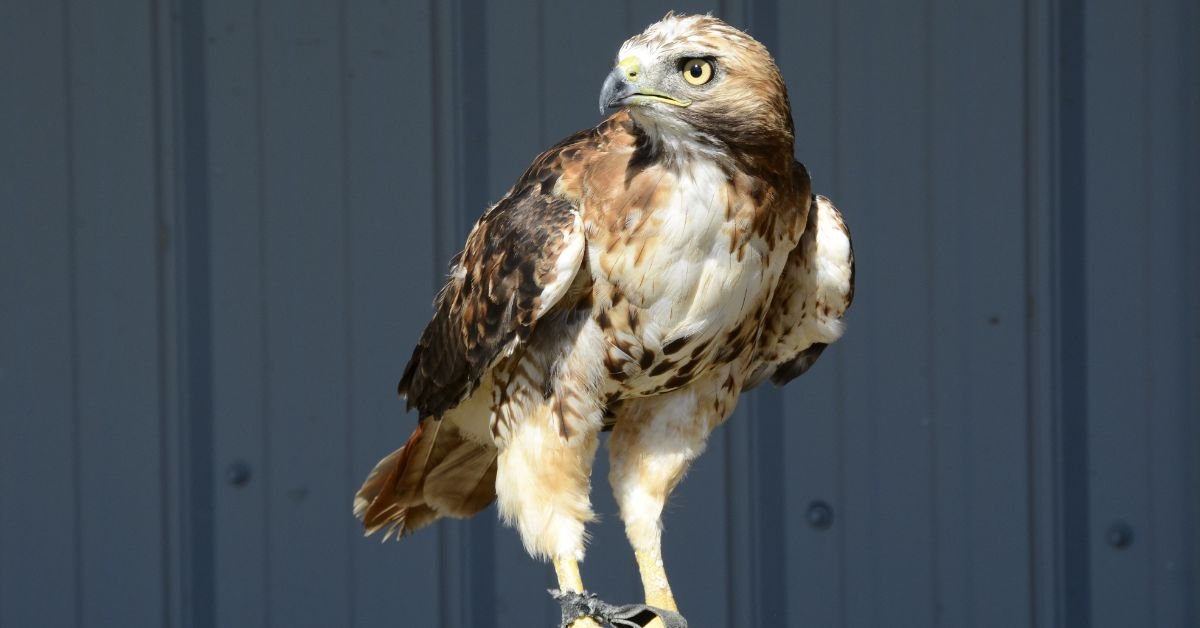
King Abdulaziz Falconry Festival (Saudi Arabia)
- Location: Malham, near Riyadh
- Prize pool: Over $9.6 million (2024-2025 season)
- Features: International racing competitions, beauty contests, and traditional hunting demonstrations
Katara International Hunting and Falcons Exhibition (Qatar)
- Focus: Traditional falconry techniques and heritage preservation
- Includes: High-value falcon auctions and breeding showcases
Abu Dhabi International Hunting and Equestrian Exhibition (ADIHEX)
- Combines: Falcon competitions with equestrian events
- Notable: Rare falcon auctions exceeding $275,000
AlUla Falcon Cup (Saudi Arabia)
- Setting: Stunning desert landscapes
- Emphasis: Speed racing and traditional skills
These competitions blend ancient traditions with modern technology.
Trainers use GPS telemetry for tracking, drones for flight conditioning, and sophisticated timing systems measuring speeds to milliseconds.
Falcons In Islamic Culture And Arab Identity
Islamic religious texts permit hunting with trained birds, giving falconry theological validation.
Several hadiths mention falconry positively, establishing its acceptance within Islamic practice.
Falcon symbolism appears throughout modern Arab culture:
- UAE national emblem and coat of arms
- Etihad Airways and Qatar Airways logos
- Currency designs in multiple Gulf states
- Government ministry emblems
- Sports team mascots
World-Class Falcon Healthcare Facilities
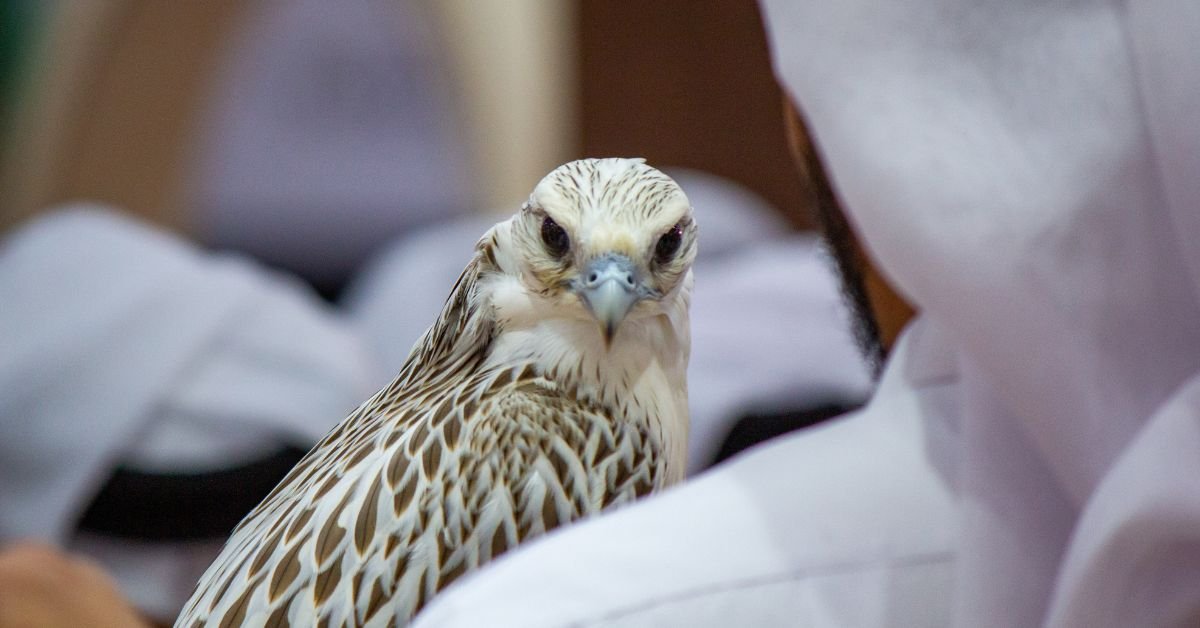
With individual birds valued at hundreds of thousands of dollars, exceptional veterinary care is non-negotiable.
The Abu Dhabi Falcon Hospital stands as the world’s largest facility dedicated exclusively to falcons, treating over 11,000 birds annually.
Services Include:
- Comprehensive health examinations and vaccinations
- Surgical procedures, including wing and beak repairs
- Flight therapy in specialized aviaries
- Grooming treatments (“falcon spas”)
- Emergency medical care
- Breeding consultations
Dubai, Doha, and Riyadh maintain similar specialized facilities.
Public tours allow visitors to witness examinations, observe flight training, and learn about falcon biology.
The Falcon’s Extraordinary Hunting Abilities
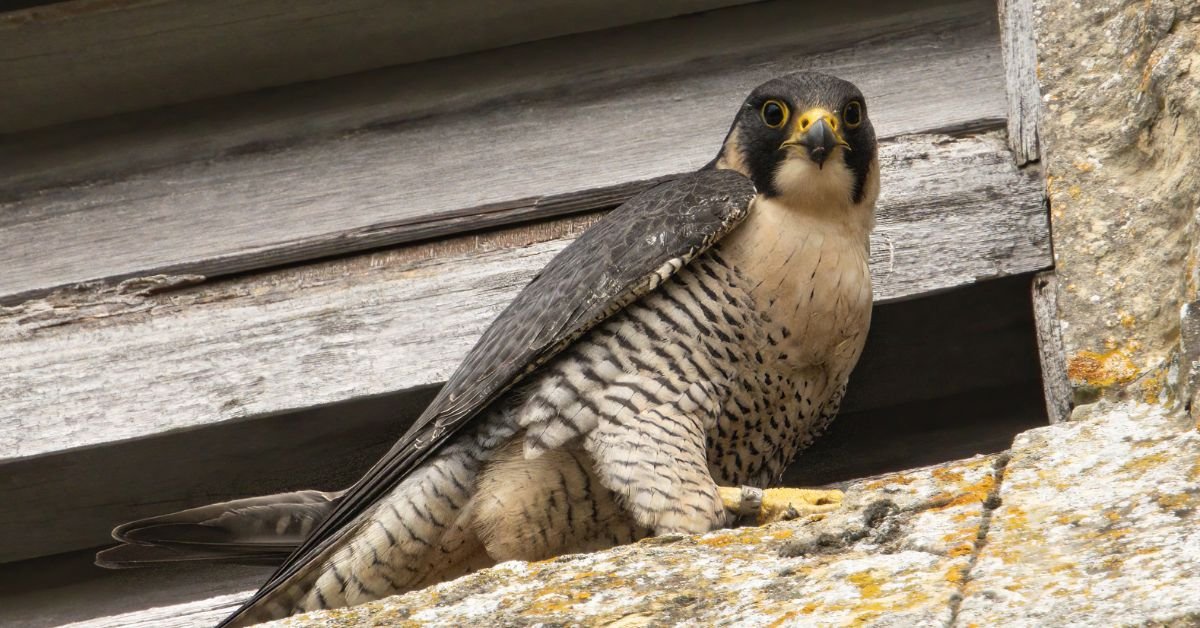
Understanding the Arab fascination with falcons requires appreciating their remarkable capabilities.
Peregrine falcons dive at speeds exceeding 240 mph during hunting stoops, making them Earth’s fastest animals.
Their visual acuity reaches 2-3 times human sharpness, enabling prey detection from hundreds of feet in altitude.
These evolutionary adaptations created the perfect desert hunting partnership.
A falcon could scan vast territories impossible for humans to survey, diving with precision to capture prey and return to the falconer’s gloved hand.
Frequently Asked Questions About Arab Falconry
Why do Arabs keep falcons?
Arab people keep falcons for cultural heritage preservation, sport hunting, competitions, and status. Originally essential hunting tools for desert survival, falcons now represent cultural identity and Bedouin traditions in modern Gulf societies.
How much does a falcon cost in the Middle East?
Falcon prices range from $20,000 for basic birds to over $1,000,000 for rare white gyrfalcons. Average premium falcons cost $50,000-$300,000, depending on species, bloodline, training, and competition performance.
Can falcons travel on planes in Arab countries?
Yes. Falcons can obtain official passports in the UAE and Qatar, allowing cabin travel on commercial flights. Many Gulf airlines permit falcons in the cabin with their owners, sometimes occupying purchased seats.
What is the most expensive falcon ever sold?
White gyrfalcons hold the highest values, with sales exceeding $1 million. One notable sale in Saudi Arabia reached SR1.2 million ($320,000) in 2025, though private transactions may exceed public auction records.
Is falconry part of Arab culture?
Falconry is deeply embedded in Arab culture, recognized by UNESCO as Intangible Cultural Heritage. The practice spans over 3,500 years in the Arabian Peninsula, symbolizing nobility, freedom, and Bedouin heritage.
What type of falcon do Arabs prefer?
Arabs favor peregrine falcons (shaheen) for speed, saker falcons (hur) for desert hunting adaptability, and gyrfalcons for size and prestige. Hybrid falcons combining desirable traits are increasingly popular for competitions.
The Enduring Legacy Of Arab Falconry
From ancient Bedouin survival tool to modern cultural icon, the falcon’s journey through Arab history mirrors the region’s transformation.
These magnificent birds represent freedom, nobility, power, and unbreakable heritage connections.
In an era of rapid change, they remind Arabs of ancestors who read desert winds and lived harmoniously with nature.
The falcon soars not just through Arabian skies, but through collective memory and identity, proof that some human-nature partnerships transcend utility to become profound cultural touchstones.
Author